
What to Know Regarding Casino Mobile Apps
Une nouvelle perspective sur un bonus sans wager
August 21, 2026SkinJoker Casino platform Player Wellbeing Support for Poland
August 21, 2026
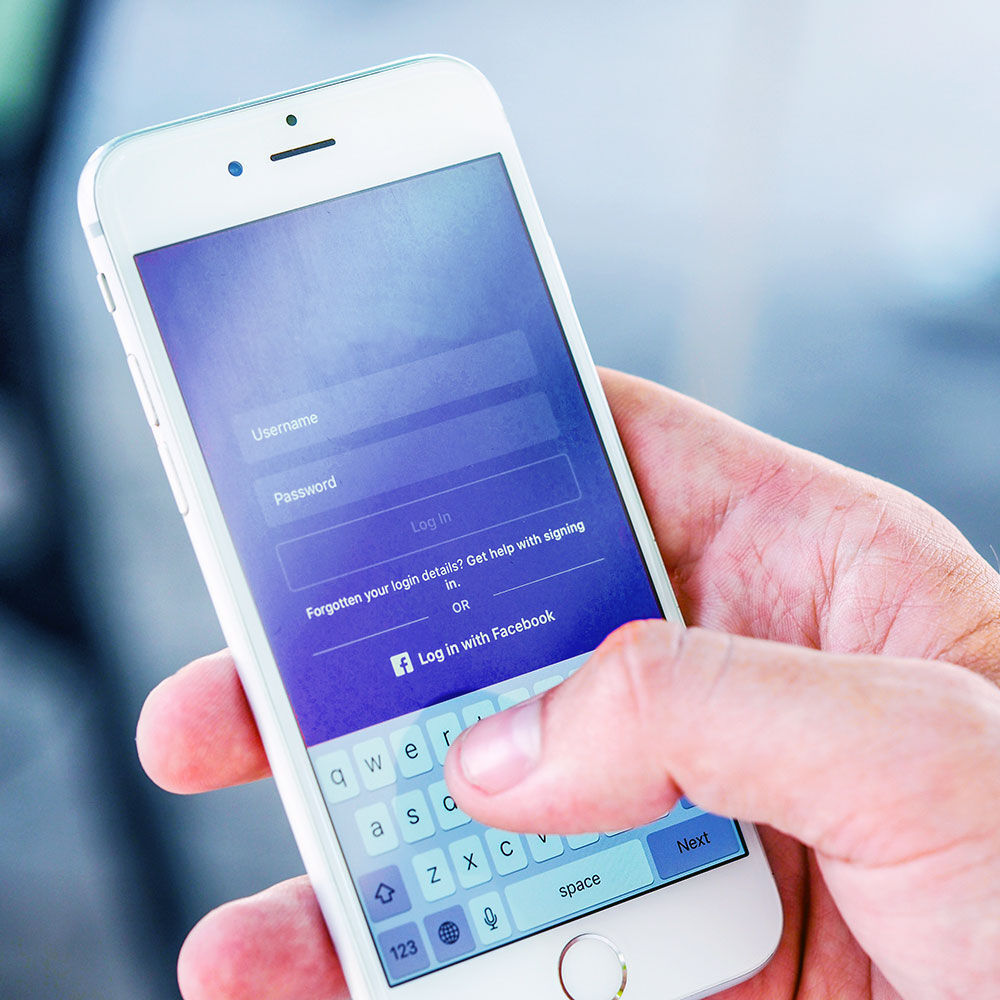
Mobile casino applications have reshaped how Dutch players experience online gambling, delivering a level of convenience that desktop platforms simply cannot match. Instead of being tethered to a computer, enthusiasts can now open their favorite slots, table games, or live dealer sessions directly from a smartphone or tablet. The shift toward mobile-first gaming is not just a trend; it indicates a fundamental change in user behavior, with more than half of all online casino traffic in the Netherlands now originating from handheld devices. Comprehending the mechanics behind these apps, their security protocols, and the subtle differences between native downloads and browser-based play is essential for anyone seeking to get the most out of platforms like Slotoro Casino while staying safe and compliant with local regulations.
The Rise of Mobile Gambling within the Netherlands
The Dutch online gambling market experienced a significant change when the Remote Gambling Act came into force, regulating and regulating online casinos under the close oversight of the Kansspelautoriteit. This regulatory clarity offered licensed operators the confidence to commit significant resources in mobile infrastructure specifically tailored to Dutch preferences. Players in the Netherlands usually prefer fast, session-based entertainment on the go or breaks, creating a smooth mobile experience a critical competitive advantage. The adoption of iDEAL as a local payment method enhanced mobile usage, as funding accounts became a smooth, one-tap operation. Therefore, companies who ignore their mobile interface endanger losing a large share of the market to rivals who view the small screen as the dominant platform rather than an afterthought.
Connectivity Challenges and Offline Features
Mobile gaming naturally contends with fluctuating network conditions that desktop users hardly face. A stable fiber connection at home contrasts sharply with spotty 4G reception in a moving train or a crowded festival ground. High-quality mobile casino apps mitigate this through strong session persistence, seamlessly preserving game states so a disconnected spin is never wasted but simply paused until reconnection. While true offline play is impossible for real-money gambling due to regulatory requirements for live server verification, some apps provide a “demo mode” cache that lets players to test games without a connection. Players navigating known dead zones, such as tunnels on the Amsterdam metro, should prefer games with low streaming bandwidth requirements, shunning high-definition live dealer feeds until they regain stable connectivity.
The Role of Push Notifications and Personalization
Native casino apps hold a clear marketing advantage through the managed use of push notifications, a feature not available to browser-based shortcuts. These alerts, when adjusted responsibly, function as a direct communication channel alerting players about limited-time promotions, tournament starts, or the release of a new slot title from a favorite provider. The key to ethical implementation depends on granular permission settings that allow users to opt into specific notification categories without being bombarded by generic spam. Advanced apps analyze gameplay patterns to personalize these nudges, alerting a blackjack enthusiast about a new live dealer table rather than sending irrelevant bingo promotions. This tailored approach transforms notifications from an annoyance into a valuable concierge service that enhances engagement without crossing into intrusive territory.
Cross-Platform Account Syncing
The contemporary gamer anticipates a single identity that moves smoothly between platforms https://slotoro.com.nl/. Initiating a slot gaming session on a laptop midday should transition seamlessly to a smartphone on the train home, with account balance, VIP points, and active bonuses synchronized in immediate time. This demands a cloud-based backend architecture where the device functions merely as a display window into a core server-side account. practical benefit goes beyond user comfort; it also improves security, as any questionable login from a new device triggers instant two-factor authentication requests. Players should under no circumstances be required to hold separate wallets or by hand move funds between computer and handheld environments. A single withdrawal request submitted on a phone should be processed the same way to one submitted via a PC, with the identical processing times and verification checks applied consistently.
Library curation and Performance Optimization
Not all desktop game converts gracefully to a mobile screen size, and experienced operators select their portable catalogs carefully. Sophisticated multi-hand video poker variants or sprawling megaways slots must be optimized to prevent battery exhaustion and overheating on older phones. Leading software providers now develop games using a mobile-first methodology, making sure that text is legible without zooming and that bonus functions initiate responsive effects rather than broken code. The lowering in processing power compared to a gaming PC is offset by lightweight asset compression and server-side rendering techniques. Gamers should anticipate a mobile catalog that encompasses the most of popular slot games, blackjack, and roulette games, though some niche table games with detailed 3D worlds might be exclusive to the desktop platform until fully enhanced.
Payment Systems and iDEAL Dominance
The Dutch market’s firm loyalty to iDEAL has forced mobile casino developers to reimagine their cashier flows thoroughly. Unlike credit card forms that require manual entry of 16-digit numbers on a tiny keyboard, iDEAL diverts players to their trusted banking environment, where a fingerprint or face scan completes the deposit. This integration removes the friction that historically caused mobile cart abandonment. Modern mobile cashiers also support digital wallets like PayPal and Skrill, keeping encrypted tokens so returning players are able to deposit in seconds. Withdrawal processes on mobile should reflect the desktop experience in speed, though players must verify they complete any necessary identity verification beforehand, as uploading documents via a phone camera is often faster than scanning on a desktop rig.
Native Apps vs. No-Download Access: The Technical Divide
Players accessing Slotoro Casino on a mobile device will encounter two distinct pathways: downloading a specialized mobile app or launching games directly through a phone browser using HTML5 technology. A native app is a application placed directly onto the device’s OS, created to leverage hardware optimization for fluid visuals and speedier starts. Instant play, however, requires no storage space and operates within the browser’s sandboxed environment. While native apps historically offered enhanced speed, modern HTML5 systems have bridged the gap significantly, delivering high frame rates and crisp graphics on 5G and stable Wi-Fi links. The choice often hinges on personal preference about home screen clutter and automatic updates versus manual maintenance.
Responsible Gaming Controls on the Compact Screen
Dutch regulations require that licensed operators build robust responsible gaming controls directly into the player interface, and mobile apps must ensure these tools similarly accessible. A well-designed app locates deposit limits, reality checks, and session timers inside the primary account area, never hidden behind multiple submenus. The portable nature of smartphones introduces unique risks, such as impulsive late-night sessions in bed, making the “cool-off” and self-exclusion features critically important. Players can normally set daily, weekly, or monthly loss limits with prompt effect, and accessing transaction history should need no more than two taps. The best platforms also integrate time-zone-aware alerts, understanding that a player traveling abroad might accidentally exceed their usual limits due to jet lag or disrupted routines.
Evaluating an App Before the Opening Deposit
Before committing real funds to a mobile casino platform, Dutch players should carry out a structured review that goes beyond aesthetic impressions. The following checklist delivers a systematic method to judging whether an app meets the standards expected of a licensed operator targeting the Netherlands market:
- Confirm the Kansspelautoriteit license logo and cross-reference the license number on the regulator’s public register to verify authenticity.
- Test the customer support channel by starting a live chat directly from the mobile interface, measuring response time and the quality of the agent’s English or Dutch proficiency.
- Download a random game and monitor load times, animation smoothness, and whether the audio syncs correctly with visual events.
- Navigate to the responsible gaming section and verify that deposit limits, reality checks, and self-exclusion options are accessible within three taps from the main lobby.
- Check the payment page for iDEAL integration and check whether withdrawal methods mirror deposit options without forcing players onto obscure alternatives.
- Read the terms and conditions for any mobile-specific restrictions on bonuses, as some promotions unfairly exclude app users from participation.
Upkeep and Storage Management
A commonly neglected aspect of native casino apps is the regular care burden they place on device storage. High-quality slots with complex animations can push a single app installation beyond 200 megabytes, and periodic content updates gradually inflate this footprint. Players with older devices or restricted storage plans should frequently clean out the app cache through the settings menu, a process that removes temporary asset files without affecting login credentials or balance. Operating system updates sometimes disrupt compatibility, but licensed operators typically patch their apps within days of a major iOS or Android release. It is prudent to enable automatic updates for the casino app to ensure that security patches are implemented immediately, closing vulnerabilities that could theoretically be exploited by malicious actors targeting outdated software versions.
Battery Consumption and Hardware Durability
Lengthy mobile casino gaming times can place significant strain on a device’s battery and thermal management systems. Games that generate complex 3D environments or stream high-bitrate video from live dealers force the processor to work harder, generating heat and consuming the battery at an accelerated pace. Players can reduce this by dimming screen brightness, closing background applications, and steering clear of gaming while the device is charging, which exacerbates thermal stress. Some well-optimized apps include a battery-saver mode that reduces frame rates and disables non-essential animations, prolonging playtime by up to forty percent on a single charge. It is also recommended to monitor battery health statistics periodically, as a degraded battery not only reduces sessions but can lead to unexpected shutdowns during critical bonus rounds or live betting moments.
UX and Visual Principles
Crafting for a 6-inch touchscreen demands a completely different philosophy than building for a 24-inch monitor. Efficient mobile casino interfaces abandon the cluttered sidebars and dense grids of desktop sites in favor of thumb-friendly navigation zones. The best-optimized apps place critical actions—spin buttons, deal commands, and deposit shortcuts—within the lower half of the screen, where they are conveniently reachable without adjusting grip. Gesture controls, such as swiping motions to change game categories or pinching to zoom on live dealer tables, create an fluid physical connection to the action. At Slotoro Casino, the mobile layout prioritizes vertical scrolling over horizontal navigation, acknowledging that one-handed use is the primary posture for casual gaming sessions on Dutch public transit or cozy evenings on the couch.
Safety Standards That Safeguard Mobile Players
Protection on a reputable mobile casino app operates on multiple layers that go far beyond a simple password prompt. Authorized platforms targeting the Netherlands market implement end-to-end TLS encryption, ensuring that banking transactions and personal identification documents stay unreadable to eavesdropping parties. Biometric authentication, including fingerprint scanning and facial recognition, creates a physical barrier that blocks unauthorized access even if the device is physically compromised. Additionally, reputable apps run within a certified Random Number Generator framework that is regularly audited by third-party testing houses. Gamers should always check that the app requests minimal permissions—a casino app has no legitimate reason to view a user’s contact list or photo gallery beyond submitting verification documents.
The evolution of casino mobile technology
The trajectory of casino mobile evolution indicates enhanced merging with hardware components and next-gen connectivity. Augmented reality features, that superimpose gaming elements onto the player’s real-world setting through the device camera, are now being tested by forward-thinking game studios. The introduction of dedicated 5G networks across the Netherlands is set to eliminate latency concerns for live dealer streams, allowing real multi-camera angles managed by the player’s gestures. Wearable tech compatibility, though currently niche, could enable basic tasks like starting a slot game or placing a roulette bet from a wearable device. Voice controls, processed locally on-device for data protection, may soon supersede manual browsing, allowing players to launch a specific game or view their balance without screen interaction. Such innovations will continue to blur the boundary between physical casino presence and digital convenience.
FAQ
Are mobile casino applications allowed in the Netherlands?
Certainly, casino applications for mobile are entirely legal in the Netherlands as long as they are run by a owner of a valid license from the Kansspelautoriteit. The Dutch regulator thoroughly audits apps to ensure they fulfill the equivalent technological and safe gambling standards as computer-based sites. Gamblers ought to always check the license number displayed inside the app against the public registry before transferring any funds.
Is it more secure to use a installed application or a browser on mobile?
Each approach are equally secure when using a licensed operator. Installed apps offer extra biometric login options like fingerprint scanning, which adds a physical security layer. Mobile browsers depend on the equivalent TLS encryption standards. The main risk factor is seldom the delivery method but instead whether the platform personally possesses a proper license and maintains up-to-date security certifications examined by independent testing laboratories.
Can I get the equivalent bonuses on mobile as on desktop?
Typically, bonuses are fully available across both platforms with the same wagering requirements. However, a small number of promotions may be linked to specific device categories for technical reasons, such as tournaments demanding precise mouse control. Players should always read the promotional terms thoroughly, looking for any clauses that state “desktop only” or “mobile excluded” before selecting an offer.
How much storage space does a typical casino app need?
Early installations generally range from 80 to 250 megabytes, depending on the number of pre-loaded game assets. Over time, cached data and automatic content updates can drive the total footprint over 500 megabytes. Most apps include a cache-clearing feature within their settings menu that deletes temporary files without deleting login credentials or account history, making space for other applications.
What occurs if I experience internet connection during a game round?
Licensed mobile casino apps employ session persistence protocols that pause the game state the moment connectivity fails. Once the connection is restored, the round resumes exactly where it left off, and the outcome is determined by the server-side random number generator that was already triggered. No funds are gone due to disconnection, and the result is logged in the player’s transaction history for full transparency. vergelijkbare artikelen
Can mobile casino apps use up battery faster than regular apps?
Yes, graphically heavy slot games and live dealer streams draw significantly more power than standard applications due to continuous rendering and data streaming. Players can reduce battery drain by enabling any built-in power-saving mode within the app, dimming screen brightness, and shutting unnecessary background processes. Refraining from gaming while the device is fast-charging also helps avoid excessive heat generation that harms battery health over time.
Am I able to use iDEAL for both deposits and withdrawals on mobile?
iDEAL is universally supported for instant deposits on Dutch-facing mobile casino apps, providing a seamless redirect to the player’s own banking environment. Withdrawals, however, commonly are handled via bank transfer rather than iDEAL, as the system is chiefly designed for inbound payments. The withdrawal timeframe remains identical to desktop, with licensed operators required to process verified cashouts within regulated maximum periods.